A Slower Conversation with Kent
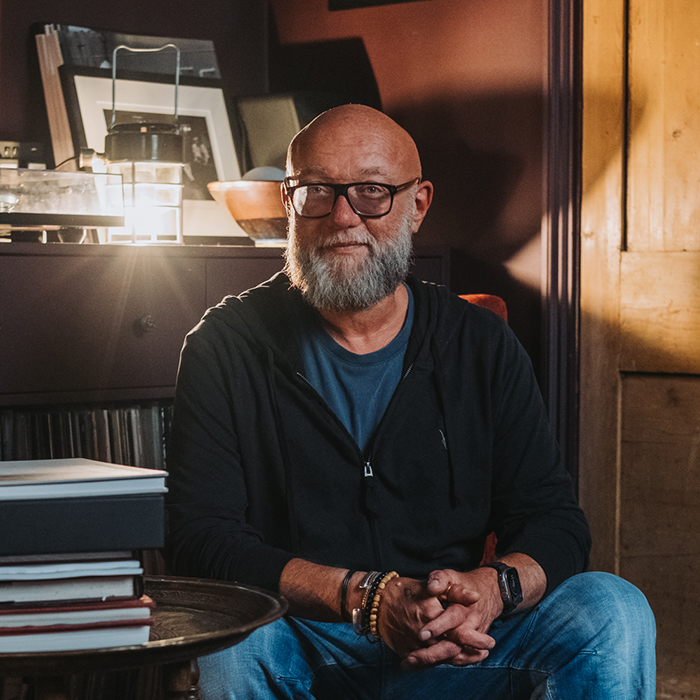
Dan is a comic book writer and novelist whose work has spanned the industry from Warhammer and 2000 AD to Marvel and DC Comics. He’s known for co-creating enduring characters and series such as Brink and Sinister Dexter for 2000 AD, and his run on The Guardians of the Galaxy for Marvel formed the inspiration for the blockbuster movies. He also writes extensively for the games industry. Dan’s work crosses genres and formats, from classic comic runs on Justice League, Aquaman, Nova and Legion of Super-Heroes to award-winning military science-fiction novels set in the Warhammer 40,000 universe that have sold millions of copies worldwide. His influence is felt both in British anthology comics and in major American superhero titles, making him one of the most respected writers in contemporary comics and genre fiction.
My conversation with Dan revealed a writer deeply reflective about both process and purpose. His creative life began early, shaped by encouragement, constraint and a strong instinct to tell stories. An influential teacher opened up possibilities beyond art college, while a chance encounter with Marvel turned comics into a profession. Dan describes the medium as collaborative, demanding both precision and generosity, and credits years of freelancing with teaching him discipline and trust in his instincts.
Particularly striking was his reflection on the creative pressure – how working fast and without hesitation can sometimes produce better, more instinctive work that can lead to unexpected breakthroughs – as well as the challenges of sustaining long-term narratives in an industry increasingly oriented towards short formats. Amid wider concerns about technology and authorship, Dan remains clear that meaningful stories depend on intent, judgement and human engagement.

When we first met you were exhibiting some of your photographs, and you explained to me that they were taken from a visual notebook you use for your writing. Yes, that’s how the photography started. My parents were both art teachers and artists. My dad was also a maker of musical instruments, and they were involved in the Medway folk scene in the 60s. My dad wanted to learn how to play the banjo and due to a lack of money, decided to make one himself. Other musicians then came to him to commission instruments and he became quite famous as a luthier, particularly for folk musicians, around the world. So, I grew up as an only child in a very artistic household where music was a big thing, but I was also encouraged to draw and I enjoyed writing stories too. Coming back to your point, my dad was also very keen on photography, so we always had cameras. I loved taking photographs as a kid, and that developed into note-taking later. What was it that interested you about photography in particular? When your dad is interested in something, you tend to get drawn into it as well. We used to build a darkroom in our bathroom to develop our own shots. After my teens, I always had a camera with me, but it was mainly for taking notes. I had a tiny digital camera that I literally used as a notebook, but every now and then I’d think some of the images were quite good, rather than just being an aide-mémoire. Nik, my wife, is also keen on photography, so we have a number of cameras now, which we use to take photographs purely as images – nothing to do with remembering things. We often go for a walk around Maidstone on a Saturday morning and we’ll take our cameras with us because we’re interested in the idea of what they call psychogeography – the weird histories and myths underlying the place you live in. It’s been particularly popularised by people like Iain Sinclair, usually in places with dramatic histories like London or Paris. Where the history is a bit more obvious? That’s right. But we live in Maidstone, so it’s not quite as obvious, and yet the same applies. We walk around taking photographs and start discovering things – you realise where the witches were burned, that the portico above a shop dates back to the 1500s, and you find the lost river. There’s so much. The road we live on, for example, was once Roman Road 13, which goes up to Chatham and beyond and, in the other direction, down to the coast. It passes by our house and goes down to the centre of town, where it runs between All Saints Church and the Archbishop’s Palace down to the river, which was the fording point. People have been walking up and down this road for thousands of years. Apologies – I’m digressing a bit – but at one stage I became quite attached to the idea of inspirational spirits and muses. Mercury was the Roman god of communication, and I later discovered that a figure of Mercury was dug up in one of the back gardens in this row of houses in about 1890. So there are these wonderful connections all around us.


My childhood hobbies of writing stories and drawing pictures then became the same thing, because I began to create my own comics.
You were an only child, encouraged by your parents to be creative, and who naturally enjoyed writing stories – you were destined to become a creative writer! Add to that the fact that I had Perthes disease in my left hip when I was about three, which meant I had to wear a caliper on one leg and a step-up shoe on the other. I was like a Victorian child who could only stay indoors, drawing pictures and reading books while watching my friends play outside. So yes, I was a complete cliché. By the age of nine my hip was fine again and I could catch up on all those things you do as a child, like learning to ride a bike and swim. I was at St Andrew’s School in Rochester then, and I became friends with the other kid in the class who was good at art. He introduced me to comics. I knew of things like The Beano, but I wasn’t aware of the American superhero comic. My childhood hobbies of writing stories and drawing pictures then became the same thing, because I began to create my own comics. When I went on to Maidstone Grammar School, I’d always thought I’d progress to art college, like my parents, but I had a great English teacher called John Morgan. He taught me as well. He was brilliant. When we were studying for our O Levels, he took me to one side and said that he knew I wanted to go to art college – and that was great – but was I aware that I was also very good at English, and maybe I could read that at university instead? He said that if I was interested, he would encourage and support me, and I owe a lot to him. I was still drawing my own comics at that time, but I couldn’t draw them fast enough to keep up with the stories I was writing, so I was naturally moving towards the written word anyway. He supported me just as he said he would, and again suggested something I’d never thought about: applying for the Oxbridge exam. I took the exam and got a place at St Edmund Hall, Oxford, to read English. What was that experience like? Strange and weird, but brilliant. I was from the grammar school and comprehensive side of things, and there were a lot of people there from more privileged backgrounds, but I’d chosen Teddy Hall because it had a down-to-earth attitude. It was a really great experience. I look back on it now and think I could have made so much more of it. I was living in the middle of Oxford, surrounded by some of the best libraries and museums. I did go to them – but why wasn’t I in them every evening? I was being a student, I suppose. By the end of my university career, I had a degree, but it wasn’t in the subject I was expecting, so I didn’t know what I was going to do. My entire career has really been a series of accidents. I had a friend at university who knew my interests, and he said I should think about a job in comics. Even though I’d been reading them for years, it had never occurred to me that it was something you could do. I wrote to Marvel in London and expressed an interest, and they invited me in to visit. I didn’t realise they had been advertising for an editorial trainee at the time, and they therefore presumed I was applying for the job. So when I travelled up to London, I found myself in a surprise interview and subsequently got a job as an editorial trainee completely by accident. I spent several delightful years there learning all there is to know about putting comics together, including from an editorial point of view.


The word “comic” is synonymous in this country with a lot of children’s publications, so is it regarded as a bit of an inferior form of writing? Absolutely. Almost everything I’ve done in my career has been ghettoised as not being properly grown-up stuff. People still say to me: “When are you going to write a proper book?” The rise of things like the Marvel movies has meant that a lot of my work has now become mainstream, though – it’s a sort of triumph of the nerds. I used to commute on the Tube with piles of comics I’d read to keep up with continuity, or because I was working on them, and people would look at me as though I was an idiot. Is writing a comic book the same as writing a novel? No – writing a comic is a team sport. There is an editor, and then usually a writer, an artist, a second artist known as the inker, a colourist, and there’s also a letterer. Before you carry on, can you explain what a letterer does? Is it as obvious as it sounds? Yes – and it’s hugely important. It’s an absolute art form in itself: the choice of font, how it’s spaced, right through to the shape and positioning of the balloons. If it’s not good, it’s like watching a movie with a bad soundtrack – it becomes noticeable and irritating. I’m the writer on the team, so I write a script that looks more like a screenplay. It will say something like: page one, panel one, this happens – and then include the dialogue that goes with that – and then you move on to panel two, and so on. How do you get your artist-writer team? It’s usually the editor’s choice, but when you’ve worked in the industry for 147 years, like I have, you get to know people. I now have two or three artists I work with regularly. Do you think the drawings you did when you were younger have any impact on your process now? They probably do. I sometimes draw thumbnails of how I see a page layout, and I’ll also note visual things in my descriptions. For example, instead of just saying “we see Batman”, I may explain that it should be a low-angle image so the character appears more dramatic. You now work on some very high-profile projects, but what was day-to-day life like when you were less established? I started out on Marvel’s junior titles – things like Ghostbusters, The Care Bears, ThunderCats, Transformers, Mr Men – I have written them all! This was in the late 80s, when they were often selling 150,000 to 200,000 copies a week. The pay was terrible, so we were all encouraged to do overtime by freelancing, and that was the breakthrough for me. As well as learning to be a letterer or colourist, we were also encouraged to write the occasional story, because we were being trained to be editors. The first thing I ever wrote was an Action Force strip. I took it home one weekend and, on a typewriter, wrote the script, and then gave it to my editor. You say that was over one weekend? How many words are we talking? I’m not sure, but it was for six pages of finished work. My editor gave it back to me covered in red ink, like bad homework. I said, “Oh – so you didn’t like it.” He said, “No, it’s great. I’m buying it. I’m just pointing out the things you could do to improve it.” That became my second job: editor by day, writer by night. Did everyone have similar educational backgrounds to you at Marvel? No – I was the odd one out in that respect. But everybody had a creative background of some kind and they found their preferred direction within the team. I became an editor, but one of my fellow editors went on to become famous as one of the best colourists. After a few years, I realised I liked writing more than editing, so I went freelance as a writer – and that was the beginning of my career. The freelance mentality bakes in the idea that you’ve got to take any work you’re offered. So I was working for Marvel UK, Marvel US, 2000 AD, DC Comics, Dark Horse – whoever would give me work. Nowadays I’m more selective, but the jobs I’ve done over the years range from writing a comic for a roller coaster at Alton Towers to – for my sins – spending several months writing the Ronald McDonald Happy Meal comic! That’s one of the few jobs I ended up quitting because it was just relentless. You seem to have the ability to produce children’s pieces while also writing for an older audience, with content that can be quite sinister. Oh yeah – some comics are quite grown-up. 2000 AD, for instance, is the home of Judge Dredd, and it has a very adult audience. One of the most useful things I learned early on was how to understand the audience you were writing for. You’d often be given what was called “the bible”, which was the style guide for a particular project. These came from the licensing company and explained what a piece should look like, what characters will and won’t do, and you write a story to fit. For those adult titles, what kind of things won’t they do? Well, when you get to the level of Judge Dredd, it becomes more of an editor’s choice. I’ve now created about seven ongoing strips for 2000 AD, and because I invented those, I set the rules for what will or won’t happen. At the other end of the scale, when you’re dealing with something like Mr Men, it’s quite prescriptive. Some people shy away from that because it can feel too restrictive, but I don’t feel that way. I always want to work out what the best story is that I can tell within those confines.


…a completely new character appeared who hadn’t been in the first version. I didn’t consciously create him - he just walked into the script…That character went on to become one of the most popular and important characters in that series of novels.
What does the start of the creative process for a project look like? Do you sit in front of a blank piece of paper and start jotting ideas down, or are you continually forming those ideas through your notebooks and photography, so they’re ready for a suitable project? A bit of both – it depends on who’s asking me to do what. If I get a call from Marvel saying, “We need a Spider-Man story,” then I’ll think about what Spider-Man story I want to tell, and which one is going to appeal to them most. I may then go back through my notebooks to see if any ideas fit. So you go back through your notes when you need the seed of an idea? I learned a crucial lesson very early on, before I was writing full-time. Back then, I could only write at certain times during the week, but I might not have the ideas I needed at those times. So wherever I was – on the bus, for example – if I had a brilliant idea, I’d note it down for the next time I was writing. Sometimes a quick scrawl is incomprehensible, and I’ll have no idea what I meant, but most of the time I can go back and make use of it. Nowadays, when I have an idea, I usually know what it will be good for – but sometimes they’re just ideas waiting for the right opportunity. Can you quantify how long it takes to write a script, or is every job different? I am both prolific and fast. I used to write at any moment I could, so I was terribly anti-social – working weekends and late into the night. Nowadays, I start early and work until about five o’clock in the afternoon on weekdays, and then have weekends off. But that doesn’t mean the brain’s not ticking during that time. You are paid per page and, assuming it’s good enough, they don’t care how fast or slow you work – but you’ve got to hit your deadline. I’ve always found I do my best work when I’ve got slightly too much to do. I’ve been a comic writer professionally for about ten years but always wanted to write novels, and it was the Warhammer team that first gave me that opportunity. I didn’t stop writing comics then, though, because I loved them so much. In the last fifteen years I’ve been writing computer games as well, and having that mix means I’m never stuck somewhere for too long, with the risk of getting bored – or without that regular dopamine hit of finishing a shorter job. It takes several months to write a novel, and you carry it around with you the whole time. It’s what you think about when you go to bed and when you wake up in the morning – like a heavy piece of luggage you’re lugging around. If I want that high from finishing something, or if I’m stuck on a novel, I’ll go and do something else. Usually, any plot problems I’ve been struggling with will have resolved themselves in the back of my mind by the time I come back to it. Are plot problems the usual stress points you experience when writing a novel? Writing a novel is a bit like navigating an oil tanker – it takes so long to get it moving, and then to turn it left or right – so it’s simply the size and scale of a novel that creates the main stress points. I write fast. I’ve sometimes written 12,000 to 15,000 words in a day when I’ve been in the zone. What’s interesting is that weird things can happen when you reach that level of intensity. Not long after we moved here, I was writing a Warhammer novel. I had a month to go before my deadline, and it was nearly finished when my computer crashed and I lost the whole manuscript because I hadn’t backed anything up. At the time, this was for a small publishing concern, and they really needed to hit their print deadlines. So, I said I’d see if I could rewrite it from scratch within the month. I thought it was going to be awful, but in one intense month I rewrote this 100,000-word novel – and it was far better than the one I’d lost. There was no time to stop and read back until I got to the end; I had to keep writing every day, and I was instinctively finding better ways of doing things. During that process, a completely new character appeared who hadn’t been in the first version. I didn’t consciously create him – he just walked into the script – and although I wondered who he was, I didn’t have time to write him out, so I left him in. That character went on to become one of the most popular and important characters in that series of novels. So you were seeing the script visually play out in your head when this new character emerged? That’s right. In that focused state, I was making creative choices unconsciously.

I wasn’t going to talk about AI today, but this seems like the perfect time to mention it. You’ve just described a very human creative ability – will we always need humans to write novels or comics, or will machines replace the likes of you in the future? It’s too late now, but I was about to say: don’t get me started on that! Oh – is it a sore point? No, it’s just one of those subjects that everybody’s talking about at the moment, whereas I’ve been thinking and talking about it for years because it’s been a long-term trope of science fiction. What we’ve been talking about over the last few years, though, isn’t really AI. It’s called AI because that’s cool. It’s not artificial intelligence at all – which is now properly called artificial general intelligence, or artificial generative intelligence, which is essentially a proper consciousness. We haven’t got that far, and we may never achieve it. What they’ve branded as AI now is basically just incredibly good personal assistants, which can do some very clever things. But for me, the notion behind digital super-intelligence should be to make our lives substantially better. There are analytical applications already generating some amazing results, so I’m not saying it’s all bad – but the idea that we should celebrate a technology that can generate an image based on a few prompts, or write a story, is not AI. The scary thing is that people are already losing work and jobs to what these things can do. More recently, there’s been this horrible idea – which Nick Clegg recently spoke about – around removing copyright from work to help speed up this evolution, and that’s just so unethical. The reason behind it, as with everything, is a capitalistic urge to make money. The people making AI simply want to be the first to develop something that everybody wants to buy, so they don’t care about the implications. It has no obligation to anybody’s copyright or creativity. For machines to learn, you need to feed them. They’re hungry and learn quickly, so one of the scariest things is that by the time we get to AGI, humans probably won’t know how it works – we won’t know what’s going on inside the black box. To avoid this, you would need unbreakable algorithms to begin with, but they’ve missed that opportunity because they’re already polluting it. Everything is being poured into it, like some kind of treatment plant. My books are in there; everybody’s books are going in there. It’s got to a point now where the amount of raw data needed to train these large learning models is so intense that they’re running out. That’s why the likes of Clegg are saying we should take the brakes off – because they’re now having to pour synthetic data into it to keep it fed. They are literally polluting the well: feeding the system on its own waste. I just wouldn’t want to read a book that hadn’t been created by somebody who had thought about creating it. Any creative work, from the highest to the lowest, should have some intent behind it – but with AI, there is no intent.
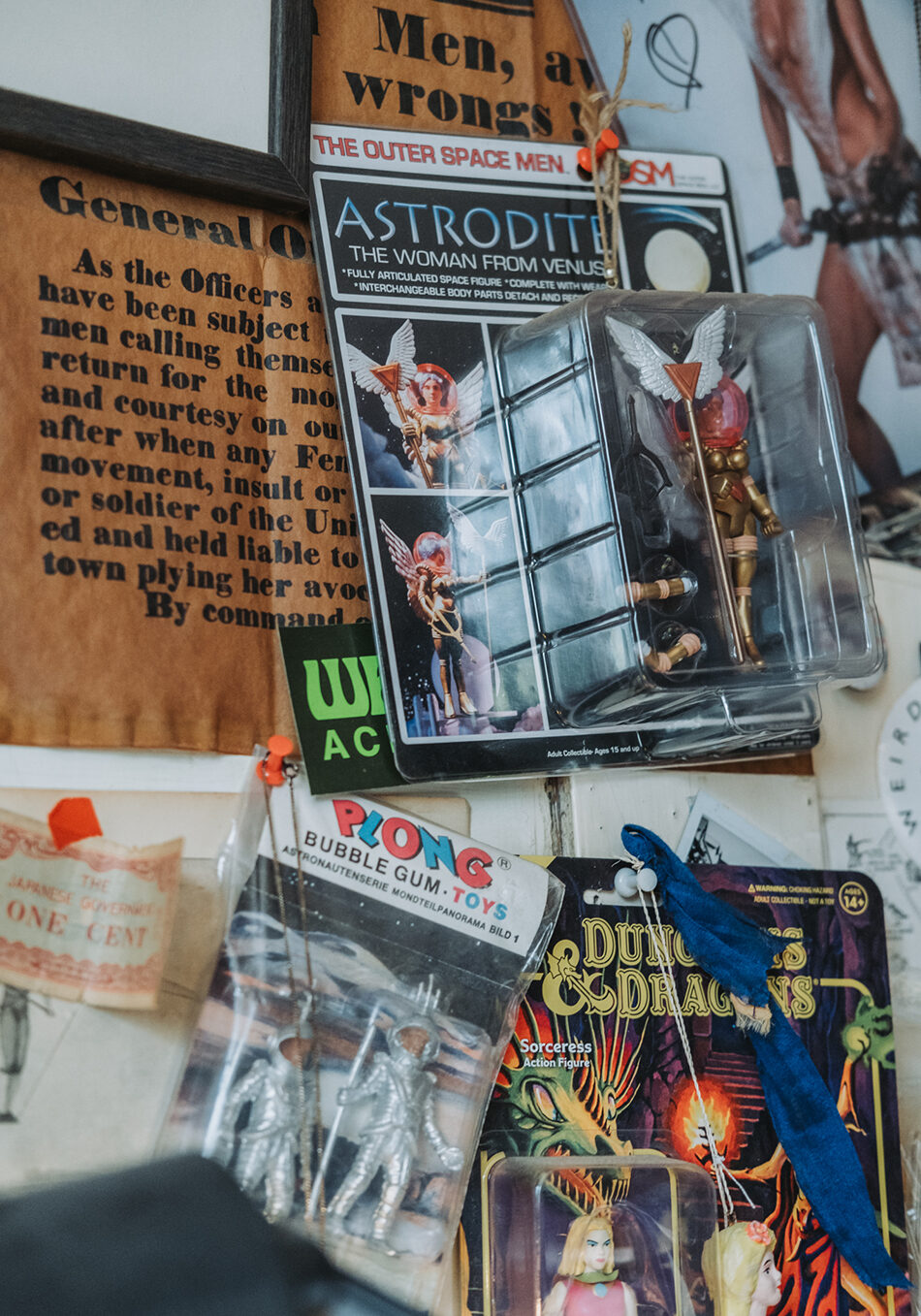
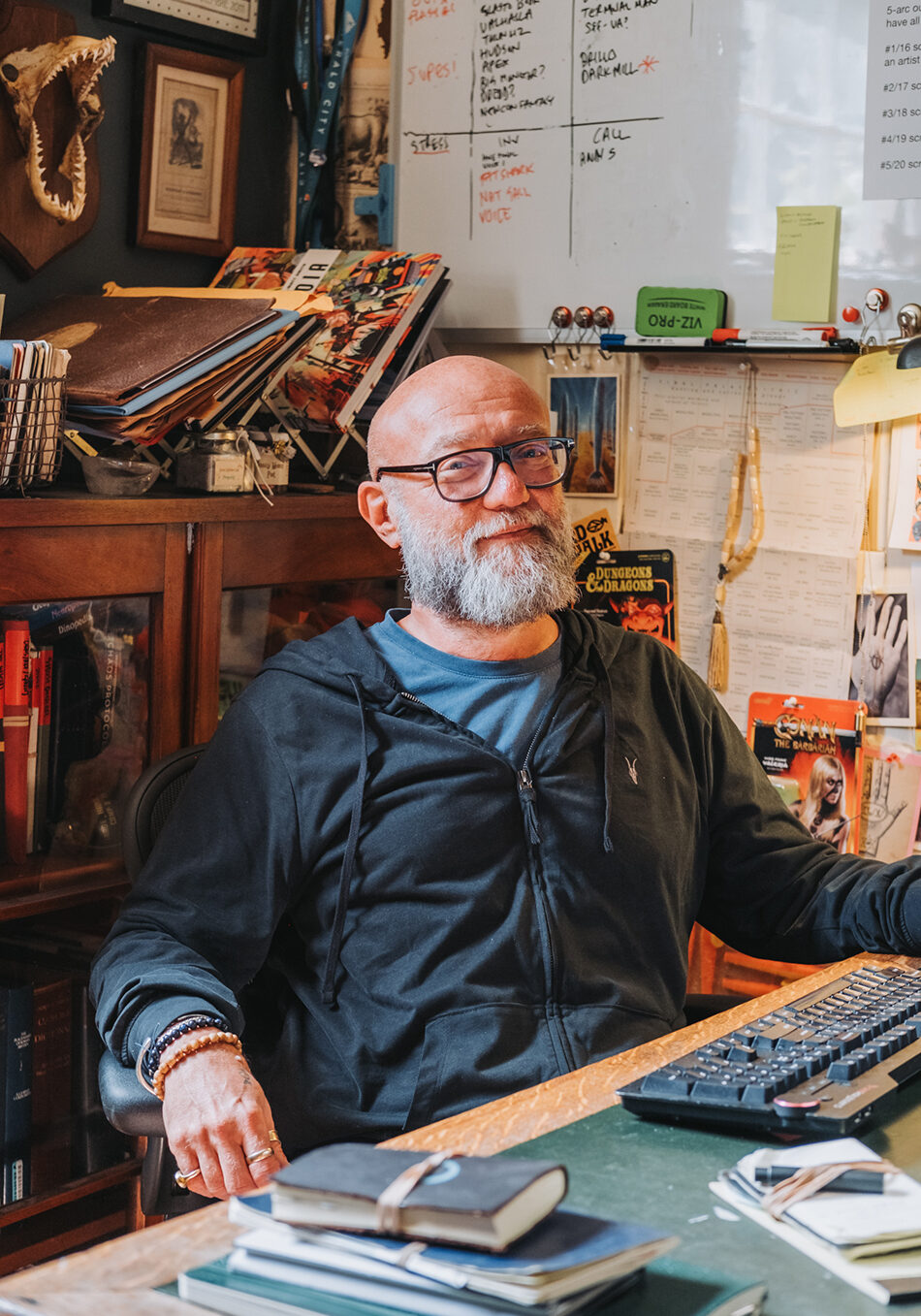
Apologies for taking you down the AI rabbit hole – let’s move away from that and look towards a, hopefully, positive future. How is the world of comic books now? In some respects, comics are incredibly healthy, in as much as they’ve suddenly become mainstream through things like the Marvel movies. But the industry itself is weaker and smaller than it’s ever been. In America during the 60s and 70s, comics were selling three or four hundred thousand print copies a month. We would kill for sales like that today but people now read things digitally. Reading print just isn’t something people do anymore. Comics have always been long-form; they tell long stories that can last for years, but you could join at any point. I started reading the X-Men at something like issue 121 and didn’t care that there had been 120 issues before it. Did you go back and read the earlier issues? I did. But nowadays – and this isn’t me being a grumpy old man – everything has to be instantly accessible. If you’ve got access to amazing video games or television, why would you choose to sit and read something? There are very few long-running comics anymore. Even famous Marvel and DC characters will only feature in limited series of, say, six issues. There are still great stories, but they don’t have that kind of soap-opera longevity behind them anymore. Does that mean the pool of writers is decreasing as well? Yes – or, like me, they’re having to do other things at the same time. I now write novels and games as well. I still like to write comics because I love the art form, but there is less of that sort of work now. The work I love to do – long runs on things like Guardians of the Galaxy, where you can write stories every month for a period of time and build storylines in quite sophisticated ways – is rare these days. Don’t get me wrong, there are some brilliant short-form comics around, but what’s generally missing now is the idea of epic long-form stories built from lots of shorter ones.
Do you class comics as an art form? Absolutely. And I think comics are now beginning to achieve what photography did a hundred years ago: recognition as an art form in its own right. But the comic is now an old-fashioned form. The characters are still popular, and you’d think the massive success of things like the Marvel movies would have driven a vast audience back to the comics – but it hasn’t. People want to see those characters in games or TV shows now. There are people who only know Captain America as the movie version of the character, which is quite different from the comic version. Is that a sad thing? A little, yes – at least for me. I’m part of a generation who grew up adoring these paper worlds, and there’s something bittersweet about seeing the form shrink while its characters dominate almost everything else. But I don’t mourn it. Instead, I think of it the way I think about wandering through Maidstone with a camera: even when the obvious things fade, there are always hidden layers worth exploring. Because comics, like landscapes, have depth. They’re shaped by the people who walk through them – artists, writers, readers. They’re full of strange tributaries, half-forgotten histories, odd little corners that reveal themselves only if you look closely. And that’s what has always drawn me in. Whether I’m writing a monthly series or photographing an abandoned alleyway, the pleasure comes from uncovering the stories lying just beneath the surface. So, even if the industry isn’t what it once was, the art form itself remains vibrant. I can still return to the stories that first captivated me, still contribute my own, still move through those imaginative spaces with curiosity. And just as a camera helps me notice details I’d otherwise miss, comics taught me how to see: how to frame a moment, how to pace a scene, how to guide a reader’s eye. In the end, all storytelling – whether through panels, prose, or photographs – is a kind of psychogeography. It’s a way of mapping the places we inhabit, real or imagined and finding meaning in their contours. And as long as there are new paths to walk and new stories to uncover, I’ll keep doing what I’ve always done: looking, wandering, noticing and trying to capture something of the world – on the page, in the frame, or wherever the next story takes me.
Allow us to keep you updated on our unique insight into the people of Kent - the food they cook, the products they make, the art they create, the places they live, the amazing stories they have to tell.


