A Slower Conversation with Kent
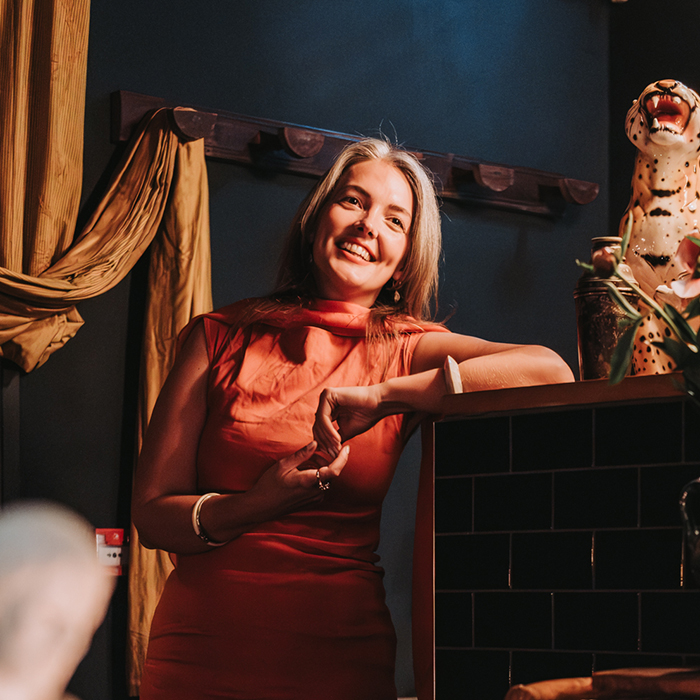
Sophie challenges the familiar clichés around astrology, moving beyond horoscopes, stereotypes and fortune telling. Our conversation began with the common astrology-versus-astronomy confusion, but soon reframed astrology as a psychological lens: not about predicting the future, but interpreting patterns and cycles in a way that helps people better understand themselves. With great patience, Sophie explained the fundamentals of her practice – how natal charts are built from birth details, how planets shape personality and generational shifts, and why precision is so critical when reading charts. She introduced me to evolutionary astrology and the idea that certain planetary movements can reflect collective changes in society, as well as tarot, which she describes as a mirror for reflection rather than superstition. Throughout this fascinating interview, Sophie welcomed my curiosity, balancing my cynicism with thoughtful insight, and ultimately led me to conclude that astrology’s enduring appeal – and its growing acceptance – reflects something deeply human: the desire to find meaning, connection and understanding.
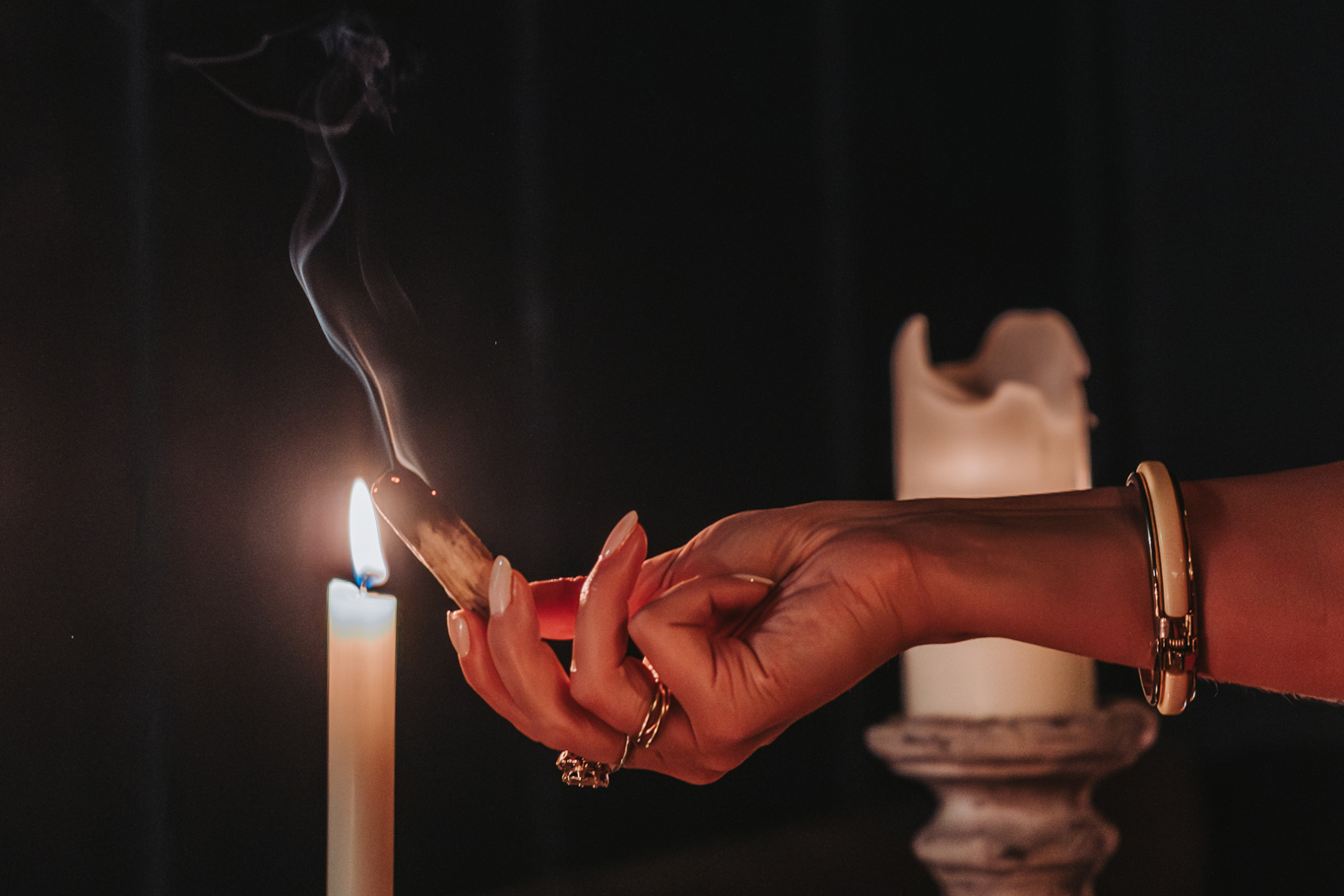
Let’s start with the most important question, because whenever I mention the word astrology to anyone, I see a quizzical look in their eyes – and you can almost hear them asking themselves, ‘…is astrology the one about space and science, or is that astronomy?’ Yes, I know. So, in your own words, what is astrology? It’s the psychological side of astronomy. I wasn’t expecting that answer – I’m obviously going to be learning a lot today. So, if astronomy is the science, then astrology is the psychological aspect of that science? That’s right. Great – that’s question one answered! Let’s move on to question number two. I imagine there will be people who are fairly sceptical about astrology, so can I ask you to imagine you’re at a party talking to someone you haven’t met before. The conversation naturally turns to what you do for a living – you begin to explain, but quickly sense resistance from the person you’re talking to. Are you the kind of person who would typically try to find something else to talk about, or would you happily rise to the inevitable challenge that lies ahead? I would definitely challenge it. I thought that might be the case. So, back at the party, the annoying person you’re stuck with is now telling you that they think astrology is just superstitious nonsense – that we live in a world of science and technology, so why should we be influenced by the configuration of the stars? How do you respond? Well, I would argue that this is how our ancestors lived until very recently. They observed the stars in astonishing detail and their lives were governed by natural cycles. Our ancestors understood and recognised those changes because of the positioning of the stars. I can totally understand that – civilisations throughout time have used the stars in one way or another to guide them, whether that’s navigation, insight into the seasons, or how those cycles might influence human affairs. So why do you study or practise astrology now? For me personally, it’s been a wonderful tool that has helped me with self-discovery and deepened my understanding – not only of myself, but of others too: different relationships, family dynamics…There’s so much you can see with astrology, including ancestral patterns. In practical terms, how does astrology actually work? Are there charts that form the basis of the practice? That’s right. And is that a single set of charts used globally, or have different cultures developed their own variations? There are what are called different house systems we use in Western astrology, but there are also cultural variations – Hellenistic, Vedic, etc. Okay, let’s stop there for a moment and dig a bit deeper. Which house system do you use? I use Placidus. For me, it’s more accurate than house systems that Apps may use, which tend to work on averages rather than specific degree readings. Each house within the whole house system has 30 degrees. Stop again – 30 degrees of what?! 30 degrees of a zodiac sign, such as Aries or Gemini. This must feel like the ABC of astrology to you, so I apologise for making you explain absolutely everything! When you sit down and analyse someone – a relative, for example – what would you need in order to start that process? I would need the date and time of their birth and the location. It needs to be the exact birth time, to the minute. And coming back to what you were just saying, do you need to be that precise because it affects the degrees you mentioned? Yes, exactly. So is it a bit like an equation, where you feed those details in and the charts then produce the results? That would provide what we call a natal chart, or a birth chart, and everyone has a completely unique one. The positions of the planets in our solar system impact our charts, and each planet has a different meaning. If we start with the personal planets – the Sun, the Moon, Mercury, Mars, and Venus – these orbit Earth the quickest and therefore differ more from person to person. So, even if you and I were born in the same month, or even the same week, the readings of our personal planets would be different. Then we have Saturn and Jupiter, our social planets, and then the generational planets: Neptune, Uranus and Pluto. And they change less because they orbit Earth more slowly? That’s right – and the way they change causes generational shifts. And when you’ve collected all of this information, what happens next? The first thing I would do is look for what’s called a stellium, which is a group of three or four planets – some astrologers use more – in one sign or house in the birth chart. That signifies a particular energy embodied within that person, or one that they’re here to embody, depending on what’s within the stellium and how those planets are aspecting each other.
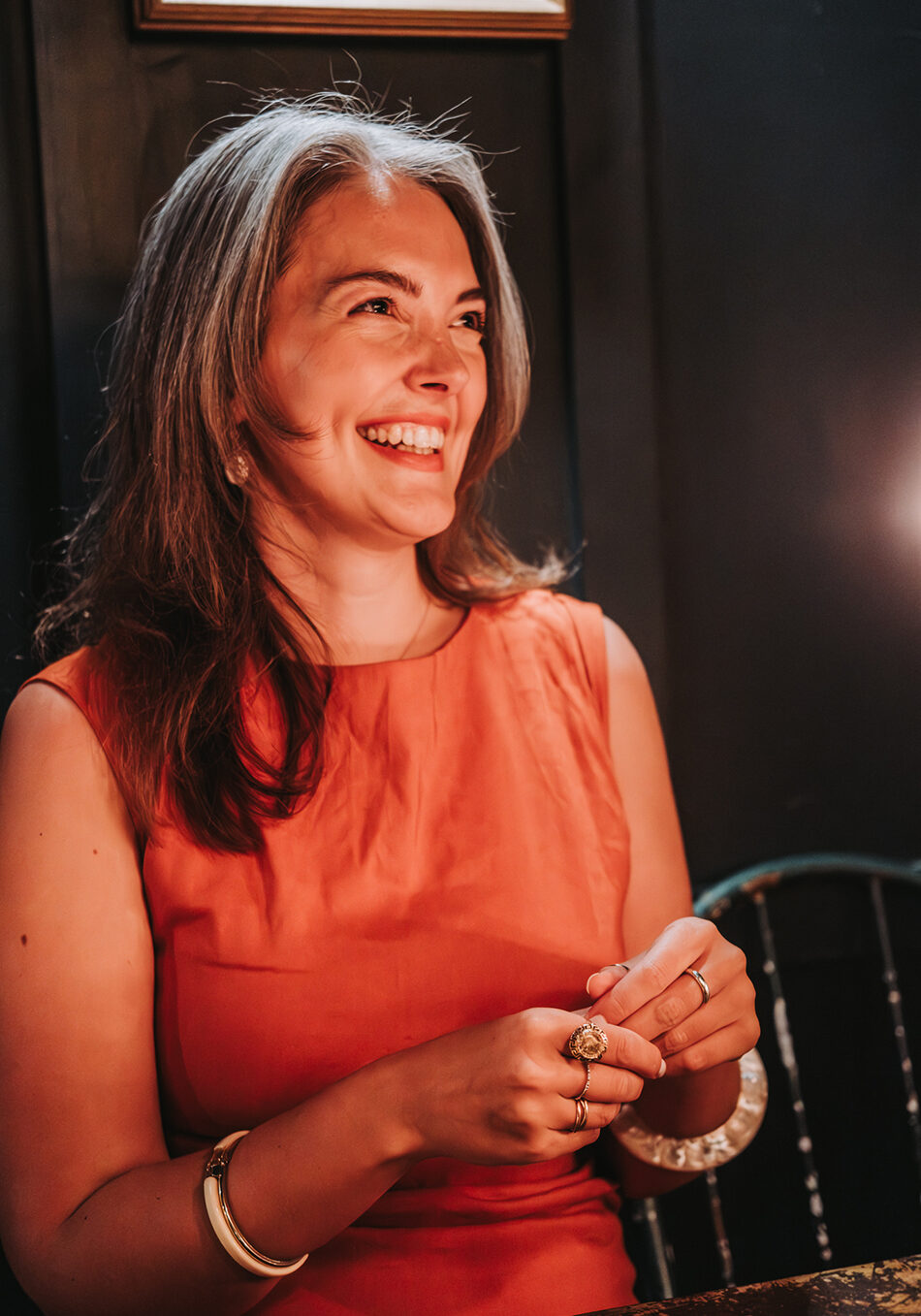
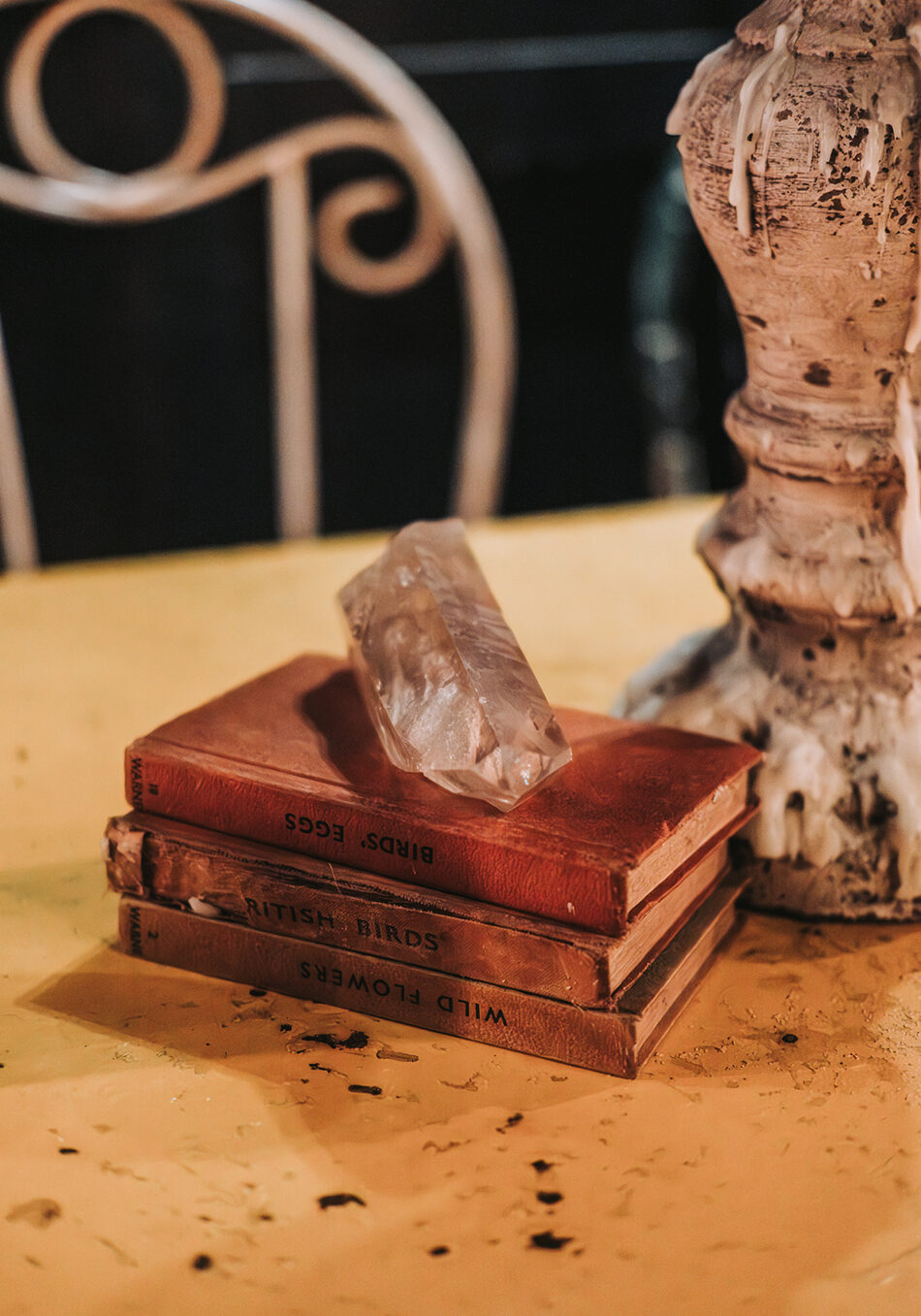
…this is how our ancestors lived until very recently. They observed the stars in astonishing detail and their lives were governed by natural cycles.
Excuse the bluntness of my next question, but when you’ve looked at charts for family members, for example, was it a case of “wow, this is so accurate,” or were there things that seemed right but not quite what you expected? It’s scarily accurate, and that’s why I’ve been working with it for so long. I’m Gemini rising, so I’m constantly gathering information, always studying, and I’ve had an interest in various aspects of psychology for many years – but none have been as powerful as astrology. You’re a Gemini? I’m Gemini rising. We’re very social characters and we love to study, but we’re often misjudged. Everyone tends to think Gemini is the fickle sign – that there’s an aspect to them that isn’t quite developed. I learned this week that Donald Trump is a Gemini. That would be Gemini Sun, right? Oh, I don’t know. It must be Gemini Sun if that was all the information given. Many people just use the Sun sign, which astrologers would call “pop astrology”. By that you mean the popular version that, for many people, is all they really know – Mystic Meg, that kind of thing? Exactly, and those are the stereotypes I’m trying to challenge. I think it’s great that you’re confronting those stereotypes – I hope I’m not coming across as sceptical by the number of questions I’m asking, because I’m not. I’m just fascinated. It’s also great to talk to someone who can tolerate the kind of questions you must be slightly bored of hearing. The trouble is my knowledge of astrology basically revolves around Russell Grant on morning TV, or the horoscopes at the back of a newspaper, which I’ve occasionally glanced at to see if there’s any similarity with what’s happening in my life. When there isn’t, it’s very easy to dismiss it – but from this conversation, I’m beginning to understand that what I’ve been exposed to is just pop astrology: a limited interpretation designed to be easily consumed by the general public. What you’ve described doesn’t even scratch the surface. Astrology is such a complex subject. Even astrologers who have studied for 30 years or more are still learning. So, does it make you angry or frustrated that most of the general public – who are happy to dismiss astrology – base their understanding on such a superficial version? I feel that people who read horoscopes in magazines and resonate with them are likely to want to delve deeper, so in a way it helps astrology reach places it otherwise might not. Yes, it’s often only surface-level, but you have to remember that with people’s attention spans today – in a social media world – you only have a few seconds to capture someone’s attention. So that simplified version is all many people ever see, and it doesn’t give the best impression. I’d say it’s definitely getting better, but it still only scratches the surface. My gut instinct tells me most of your clients will be female – is that right? That’s correct. Why is that? Are men too cynical, or do we lack the necessary emotional connection? It depends. Every person has both masculine and feminine energy within them, so it depends on how much you – as a man – have integrated your feminine energy, and how much I’ve integrated my masculine. And is that impacted by your natal chart? It is shown within the natal chart, and during a session you discover that kind of information. Through the conversation and the chart analysis, it’s revealed – and it’s often a bit of a lightbulb moment when I share the details. But coming back to your question: yes, I do think women gravitate toward the spiritual aspects of astrology, as well as tarot, which I also practise. I think they are naturally more emotional and intuitive, whereas men tend to lean more towards logic and science. That’s not meant to be sexist – it’s just what people often gravitate toward – but then again, I know fantastic male astrologers and tarot readers, so it’s definitely not a hard rule. It again, refers back to how much feminine or masculine energy is being expressed through the birth chart and integrated.
When did astrology come into your life? I’d say when I was about 20, so that’s 16 years ago now. I was really on a path of self-discovery – going through the typical things late teens and early adulthood bring: breaking up with your first love and trying to understand the basics, like the meaning of life! When I came across astrology at that time, it was really profound in terms of how it developed my awareness of self, but also the relationships I went on to have with romantic partners, family and friends. And how did that help you with those relationships? I think when you’re able to understand yourself and your own challenges, you know how to approach almost everything better. Your natal chart will show you everything – challenges around finances, career, all aspects of your life – and when you see it for the first time and begin to translate its meaning, it awakens something within you that’s usually been dormant. And I’m presuming that if you understand yourself, you’ll also know how to relate to other people – and if you know their natal chart too, that will enhance the relationship even more. Yes, it becomes like pieces of a jigsaw puzzle. You know where their strengths are, where you might trigger something in them and vice versa. That’s something called a synastry chart – you can layer two charts over one another. I don’t offer that, but I can observe it. Why don’t you offer that? I did previously, but relationships aren’t really where my heart lies. Where does your heart lie? I read evolutionary astrology, which is very much based on the generational planets I mentioned earlier. We use Pluto and the nodes of the Moon as key players within the chart, as opposed to the Sun. The reason is that it’s about mass consciousness developing within each generation, and the unique signatures within the chart depict what we’re individually here to contribute. That’s quite a philosophical vision. Why is Pluto such a significant planet? Amongst many things, it’s the planet of transformation, destruction and rebirth, and because of its slow orbit, everyone within a 30-year age span will have the same Pluto sign. That means each generation is contributing something unique to the evolution of humanity, by way of both an ending and a beginning.
…it’s often a bit of a lightbulb moment Authorwhen I share the details.
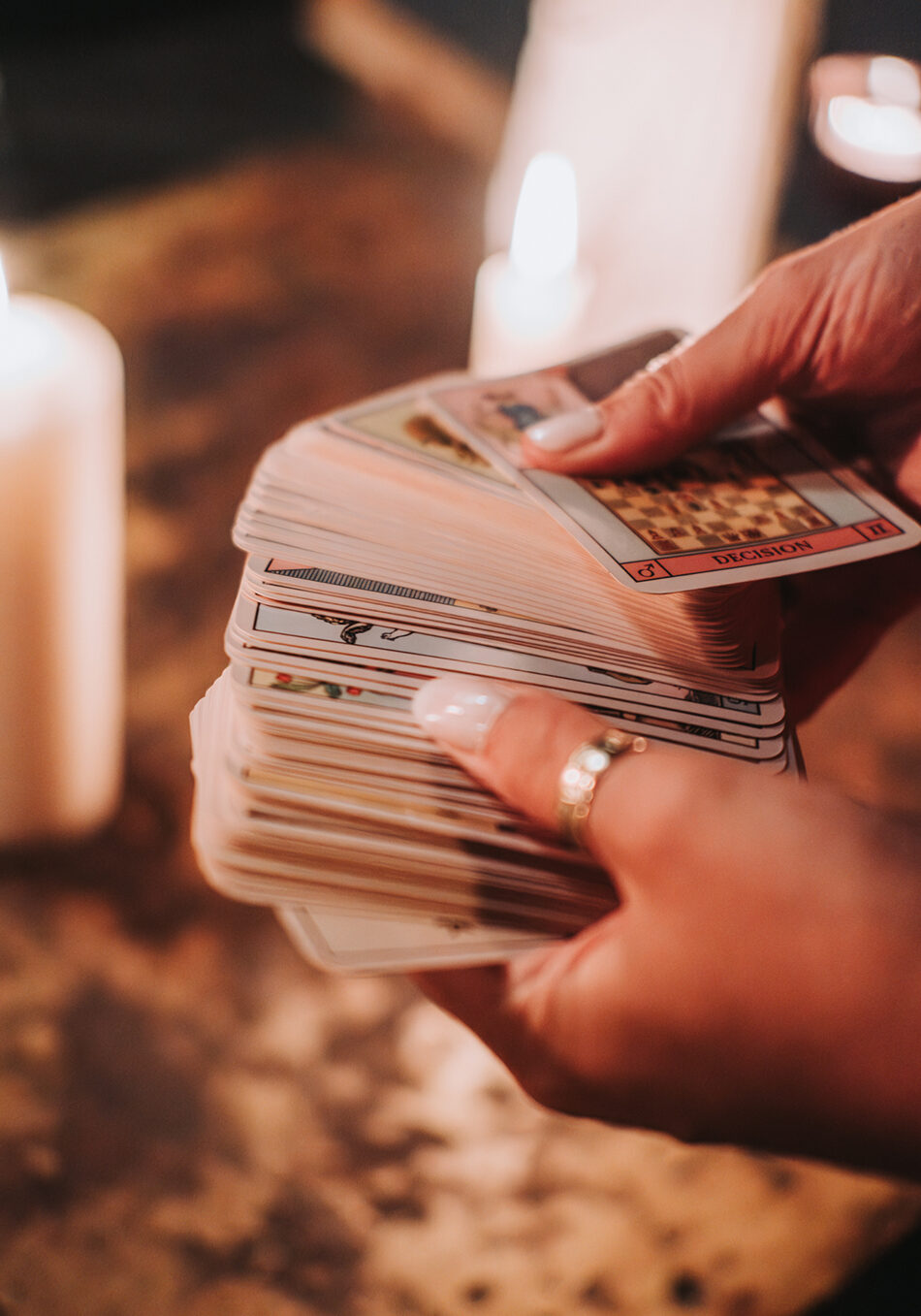
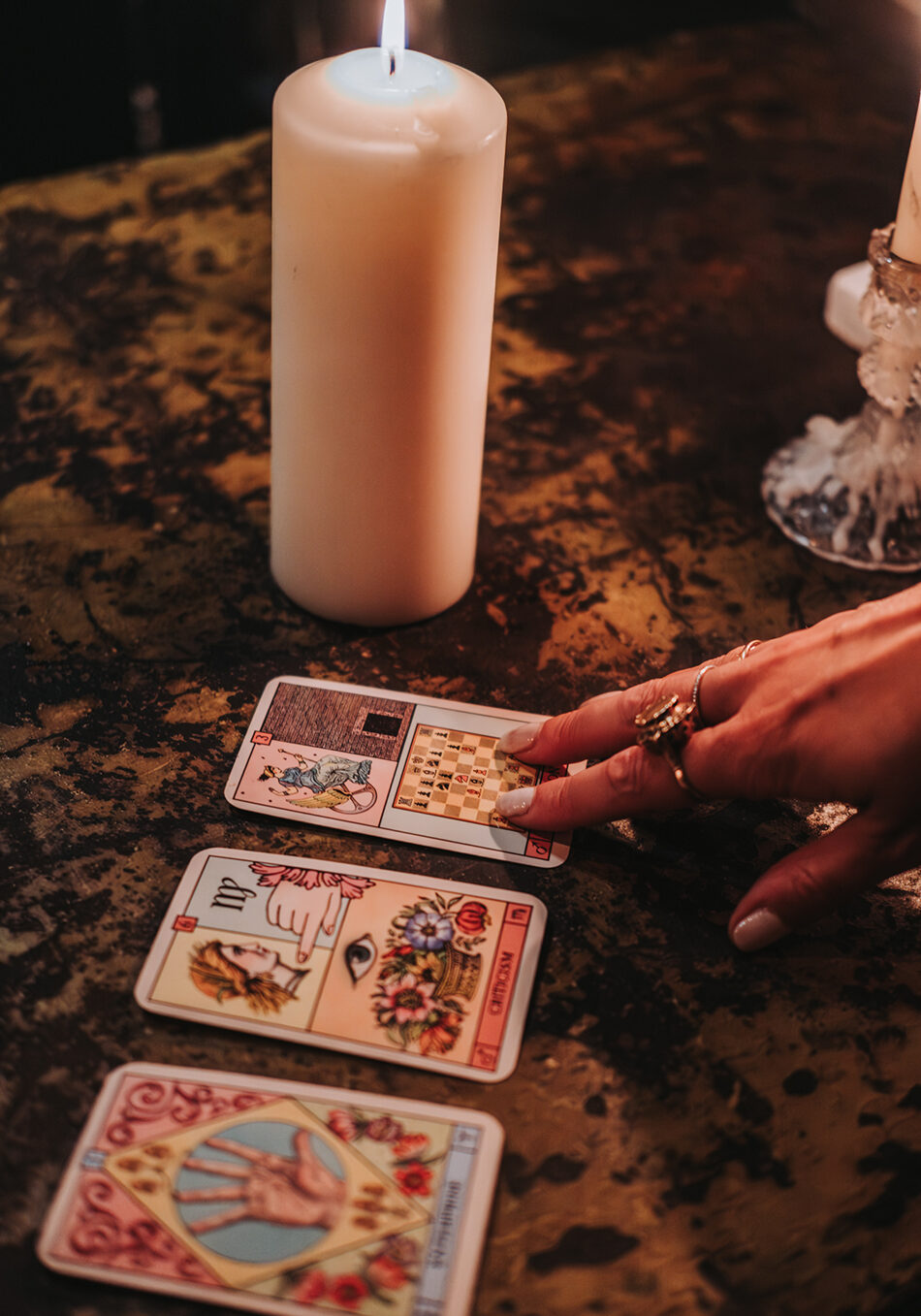
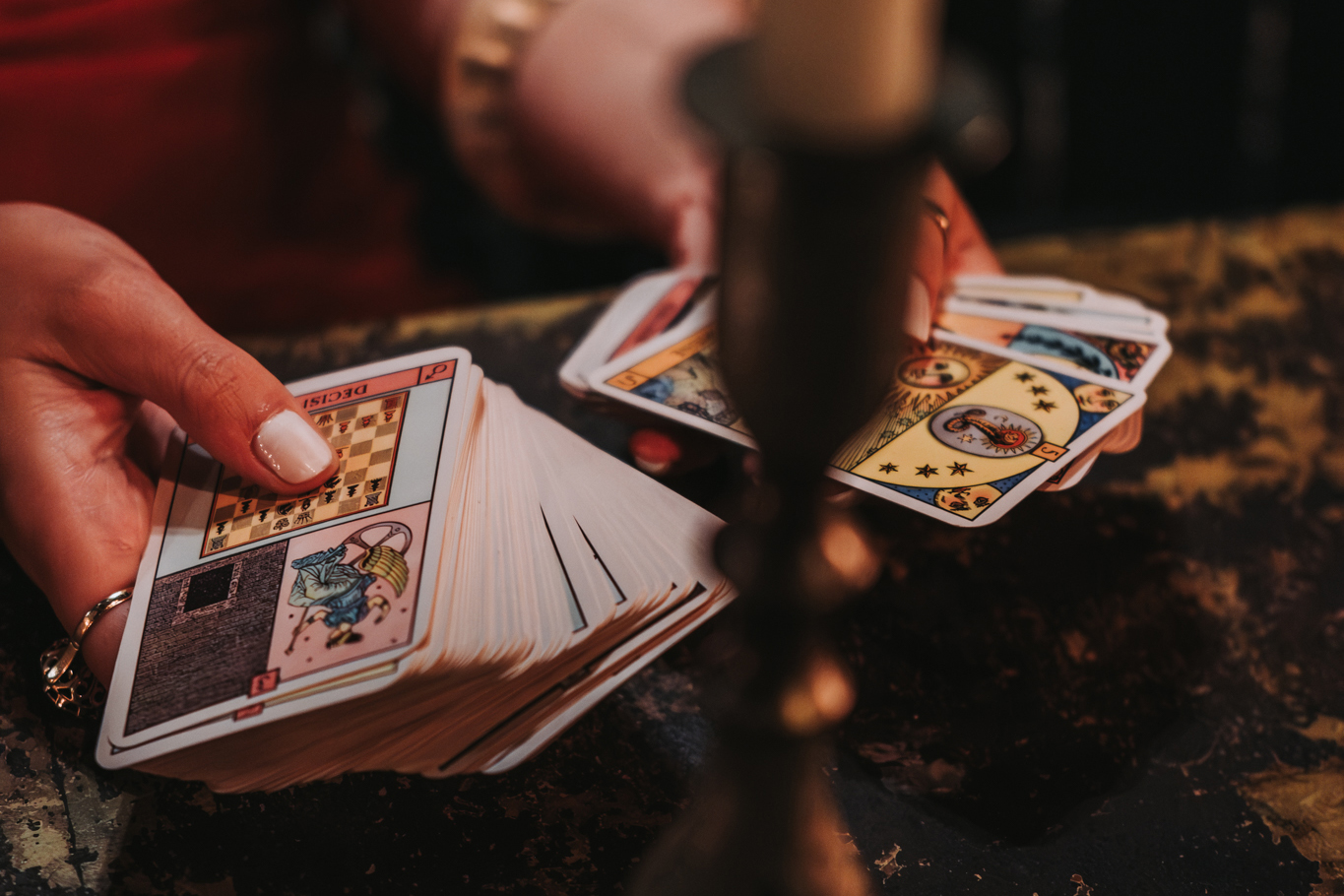
How much of your day-to-day life is influenced by your own chart, and how often do you review it? I’ll look at my transits for the month ahead. Transits? Okay – you have your natal chart, which is stationary and based on the point of your birth, but the planets are continuously moving. So when, for instance, Mercury passes over your natal Mercury, it awakens or triggers something – and that’s called a transit. I look at those details every week for work, but personally I only look at the month ahead. Is that an exciting time? It is. But collectively, astrologers are looking at transits for the next two years or so, so it’s not just about short-term relevance. For example, it’s a big astrological year this year. Why – what’s happening? Neptune, Uranus, Saturn, Jupiter, Chiron and the lunar nodes all change sign this year, which we will feel collectively. So what’s happening this year is a number of important alignments and changes. Yes – changes that haven’t happened for around 160 years or so, and they’re all pointing towards rebellion and revolution. I’m not sure that’s cheering me up. No, don’t be concerned – it’s an exciting time, an expansive time. We’re seeing a shift from power in governments to the power of people. Let me see if I’ve got this right. You’re not a fortune teller, but based on information gathered over centuries, you’re able to determine when changes are likely to happen. You can’t tell what that development will be, but you can see that the foundations are in place for change. That’s correct. So, having asked you to produce a natal chart for me, what would happen next? I would translate the chart for you, and help you understand the energy that’s there. It’s the same with tarot, in particular, which has a lot of stigma because of its association with fortune telling. That’s not what I’m doing – I’m translating the chart or the cards for you, and I’m holding the space for that information to be absorbed. It’s almost like holding up a mirror to you. I can now see that my assumption that tarot cards are only about fortune telling is also wrong! Let me give you an example. During a reading, if I turned over a card – let’s say the Death card of the major arcana…Hold on – what’s the major arcana? Sorry – there are two sets within tarot. The whole deck contains 72 cards. Twenty-two are the major arcana, and the rest are called the minor arcana. You shuffle the deck, and then the way you cast the cards determines what type of reading it is. It could be a past-present-future reading, for example, or a Celtic Cross if someone is facing a challenge and wants to see how that might develop. So do the cards form a certain pattern on the table? That’s right. The major arcana reflect major life events, and the minor arcana provide the detail around that event.
Does every reading have the same number of cards being cast? Not always. So what dictates the number of cards? Intuition. Oh wow. Okay, obvious question – have you ever cast all 72 cards and then thought, “Oh, I still need to continue”? Do you know what? I actually had a reading once with an amazing tarot reader and she just kept saying, ‘…and pull another… and pull another…’ and I remember thinking, how far are we going to go here? So there are no set rules – but the order in which the cards fall is what’s telling, and that’s the mysterious part. Personally, I do the Celtic Cross, which uses 10 cards, or I can do what I call mini readings – past, present, future – which use three cards. It really depends on what the person needs. And when people come to you, are they looking for an answer to something, or are they simply inquisitive about life? A bit of both. Some people may be at a real turning point, or they know there’s something more to discover – but I think it’s curiosity that drives most people to come and see me. I mentioned earlier the analogy of the mirror: for many people, to move forward, it’s as if they need to witness themselves in that mirror before making the next move. We’ve all had times when we feel we’ve gone off track, and what astrology or tarot does is confirm that, nine times out of ten, you’re exactly where you need to be. The subconscious mind already knows where to lead you – the most important thing is permission, and witnessing it through something other than self alone. I can see how astrology could offer real help and direction in the same way a therapist might. There’s still a cynical side of me that says the cards are random, but on the other hand you’re saying those random cards were selected and their meanings developed over centuries of – let’s call it human science – so I’m still none the wiser. I’m trying to find a logical answer, but perhaps I shouldn’t be. It’s fascinating. It is fascinating – and to your earlier point, a lot of therapists do go on to use astrology in their work. I find that really interesting, because in my view it could reduce how long someone needs to be in therapy – which, if we’re honest, is better for the client. Why have session after session if you could look at someone’s chart and immediately see their challenges and strengths, with additional insight to support them?
You’ve witnessed and understand the power and relevance of astrology, but what led it to become a job? That’s a very good question. What led it to become a job was how much it helped me personally. I really believe the world needs this tool. Should I become an astrologer? Definitely! It’s fascinating – and you’ll have a lifetime’s worth of studying to do. Let’s come back to that. When you say studying, what does that involve? I’m getting the impression there’s a lot of book-reading, but what are those books teaching you? I’m guessing there’s not just one master manual of astrology. There are numerous very specific books about different aspects. For example, take Saturn – the keeper of our karma. Saturn is one planet I find absolutely fascinating: what it represents, and the myths behind it. That’s just one planet and one aspect of astrology, so there’s a lot to read and learn. You mentioned karma then – how would you describe what karma is? Do you believe in reincarnation? I’ll maintain my cynical, logical outlook, so probably not! Well, even if you don’t believe in reincarnation, you’ve probably witnessed karma in your life – whether through good deeds or bad ones. Karma brings balance, compensating for what you’ve done. For people who do believe in reincarnation, they accept that we carry good and bad deeds from a previous life. Essentially, it’s a natural law of cause and effect – so whether one believes it exists or not, it’s always at work. In which case, I’m assuming that if you were to do a reading for me, you would also have insight into my previous life? That’s right. So – spirits or ghosts. Do they form part of this thinking as well? Firstly, do you believe in the notion of ghosts? Absolutely. I would love to see a ghost or spirit because I feel it would give me answers to so many of my doubts. Have you ever seen a spirit? I haven’t personally, but there is someone in my close family whose view of life is very much like yours – very much in the cynical camp. He had an experience in a house he was renting, and to this day I can remember his face as he told me what he saw. I think many people will have similar stories. Natal chart readings are obviously at the heart of your work, but I understand you also hold events. What do they consist of? I hold different types. Some are educational for people who want to learn tarot or aspects of astrology. Others are more like networking evenings or team-building exercises, because it’s such a fun tool for discovering more about yourself and the other people attending – seeing who shares similar traits and how they can use that information. I’ve also more recently begun hosting day retreats at some really special venues in Kent. You’ve spent many years acquiring your knowledge, so I presume you can only pass on a relatively small amount during your events? Yes, but the way I teach is part education and part experience, which helps people relate to what’s being taught and reflect on it in the days and weeks afterwards. At the moment I’m teaching a series around the major arcana – one archetypal card per week – and attendees not only learn the symbolism of that card, but are also asked to relate aspects of it to their own lives. For example, if they were learning about the Empress card, which is about fertility and nature, the group might do an activity around bringing something to life – from cultivating a plant to launching a business. They’re workshopping something personal, which makes it far easier to remember over time. I believe people learn tarot best when they focus on one card for a period of time and experience how it relates to them, because that was essentially the intention of tarot: a tool for reflection.
Where do you see your journey with astrology going in the future? Is there an endgame you’re working towards? I think there is – and it’s to take things like astrology and tarot to places you might not expect them to be. If I’m being really bold, I’d love to hold an event in a church. Would that just be to ruffle feathers and provoke a reaction? No. My take on religion is that, essentially, we’re all speaking the same language, just directed towards different things or different people. For me, whatever name we put on what we believe in, we all share the same sense that there’s something greater than us. If we can find a thread that connects us, I think it would benefit everyone. And let’s finish by asking whether you think astrology is finally gaining the acceptance that you obviously feel it should? I think a lot of people are becoming more spiritual, and as a result we’re beginning to see astrology being accepted in more places now – which is fantastic. People, and women in particular, used to be outcast, shunned, or even punished for talking about these kinds of things. So the fact that people and venues are now more open to it is a massively positive move in the right direction.
And I suppose that brings us back to where we began – that familiar moment when someone hears the word astrology and pauses to work out whether it’s the science one…or the other one. But after talking to you today, the distinction feels clearer. Astronomy maps the movements of the heavens; astrology is the study of the energetics those movements create, and how they play out in human life. Those patterns exist whether we choose to notice them or not. Astrology offers a language for understanding them – a way of working consciously with timing, cycles and change, rather than moving through them unconsciously, giving us the opportunity to make more informed choices, enhance relationships, and navigate life and career with greater clarity and intention.
…it’s an exciting time, an expansive time. We’re seeing a shift from power in governments to the power of people.
Allow us to keep you updated on our unique insight into the people of Kent - the food they cook, the products they make, the art they create, the places they live, the amazing stories they have to tell.


